


- Hearing Health
- 30 Sep 2026
The Crucial Role of Regular Hearing Tests in Maintaining Overall Well-being
Hearing is one of our most vital senses, connecting us to the world around us, allowing us to communicate with loved ones, and alerting us to potential dangers. Yet, despite its importance, hearing health is often overlooked until significant problems arise. Regular hearing tests are essential for early detection of hearing loss and maintaining your overall quality of life. In this comprehensive guide, we will explore why you should get tested, what the process entails, and the profound impact that proactive hearing care can have on your daily life.
Understanding How We Hear
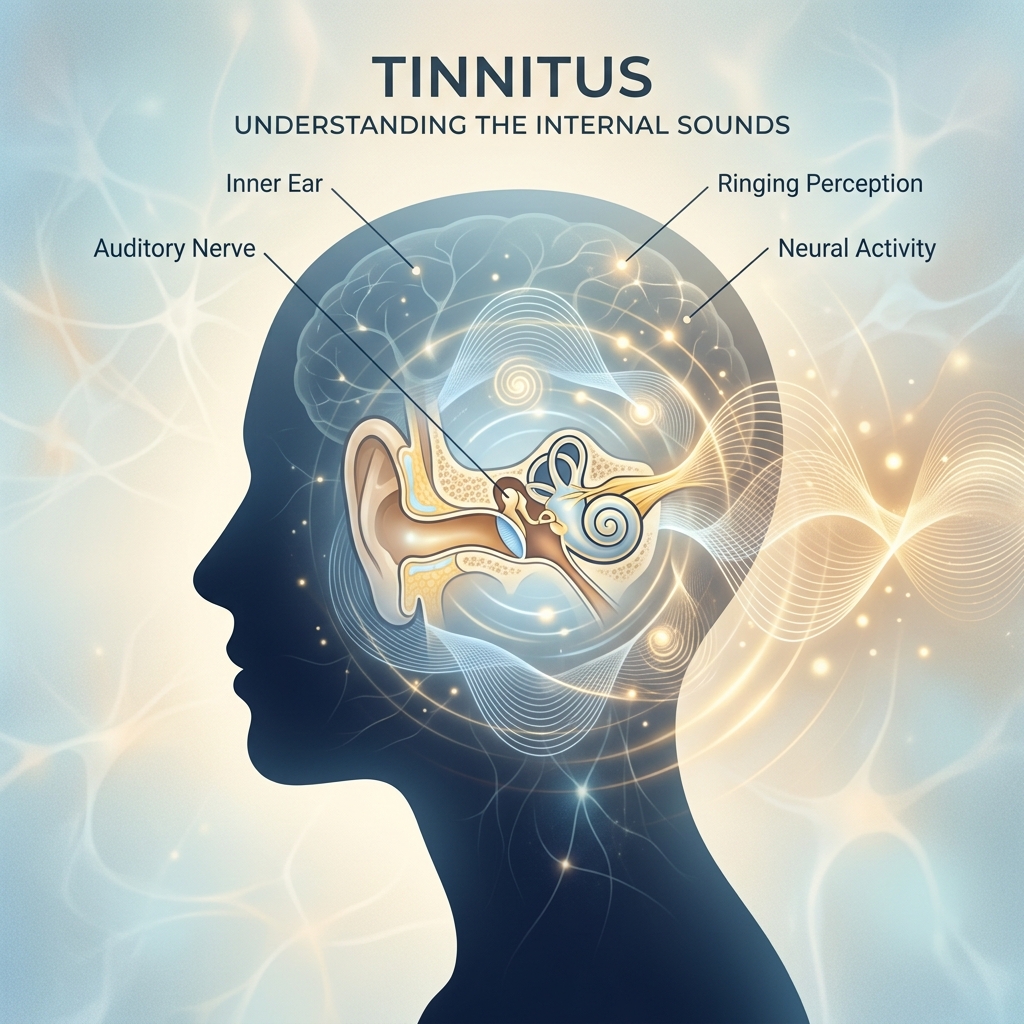
To appreciate the importance of hearing tests, it's helpful to understand the basic mechanics of how we hear. Sound waves enter the outer ear and travel down the ear canal to the eardrum, causing it to vibrate. These vibrations are then transmitted through three tiny bones in the middle ear to the cochlea in the inner ear. The cochlea is filled with fluid and lined with thousands of microscopic hair cells. As the fluid moves, these hair cells bend, converting the mechanical vibrations into electrical signals. These signals are sent via the auditory nerve to the brain, where they are interpreted as sound.
Damage to any part of this complex system can result in hearing loss. The most common type, sensorineural hearing loss, occurs when the hair cells in the cochlea or the auditory nerve are damaged. This type of hearing loss is typically permanent and often age-related or caused by noise exposure. Conductive hearing loss, on the other hand, occurs when there is a problem in the outer or middle ear that prevents sound from reaching the inner ear, such as fluid buildup or a blockage.
The Silent Progression of Hearing Loss
One of the primary reasons why regular hearing tests are so critical is that hearing loss often happens gradually. Unlike a sudden injury or illness, the decline in hearing can be so subtle that it goes unnoticed for years. You might find yourself turning up the volume on the television a little louder than usual, or asking people to repeat themselves more frequently. You might also struggle to follow conversations in noisy environments, such as restaurants or social gatherings.
Because the progression is slow, many people adapt to their diminishing hearing without realizing the extent of the problem. They may withdraw from social situations, avoiding conversations that require effort to understand. This gradual isolation can lead to feelings of loneliness, frustration, and even depression. By the time someone finally seeks help, the hearing loss may have already had a significant impact on their quality of life.
The Hidden Consequences of Untreated Hearing Loss
The impact of untreated hearing loss extends far beyond the inability to hear clearly. Numerous studies have linked untreated hearing loss to a range of physical, cognitive, and emotional health issues. For instance, hearing loss has been associated with an increased risk of cognitive decline and dementia. When the brain has to work harder to process degraded sound signals, it draws cognitive resources away from other functions, such as memory and comprehension. Over time, this constant strain can contribute to cognitive decline.
Furthermore, the social isolation that often accompanies hearing loss can exacerbate these cognitive issues. Social interaction is crucial for maintaining brain health, and when hearing loss limits one's ability to engage with others, the brain is deprived of essential stimulation.
Untreated hearing loss has also been linked to a higher risk of falls. The inner ear plays a critical role in maintaining balance, and hearing loss can compromise this system. Additionally, when a person is struggling to hear, they may be less aware of their surroundings, increasing the likelihood of accidents.
Who Should Get a Hearing Test?
While everyone should prioritize their hearing health, certain individuals are at a higher risk of hearing loss and should be tested regularly. These include:
- Adults over 50: Age-related hearing loss, or presbycusis, is one of the most common conditions affecting older adults. It is recommended that individuals over the age of 50 get a baseline hearing test and have their hearing checked annually thereafter.
- Individuals exposed to loud noises: If you work in a noisy environment, such as construction, manufacturing, or music, or if you regularly engage in noisy hobbies, you are at a higher risk of noise-induced hearing loss. Regular testing is essential to monitor for any changes.
- People with a family history of hearing loss: Genetics can play a significant role in hearing health. If you have a family history of hearing loss, you should be proactive about getting tested.
- Individuals experiencing symptoms: If you notice any signs of hearing loss, such as difficulty understanding speech in background noise, ringing in your ears (tinnitus), or a feeling of fullness in your ears, you should schedule a hearing test as soon as possible.
What to Expect During a Hearing Test
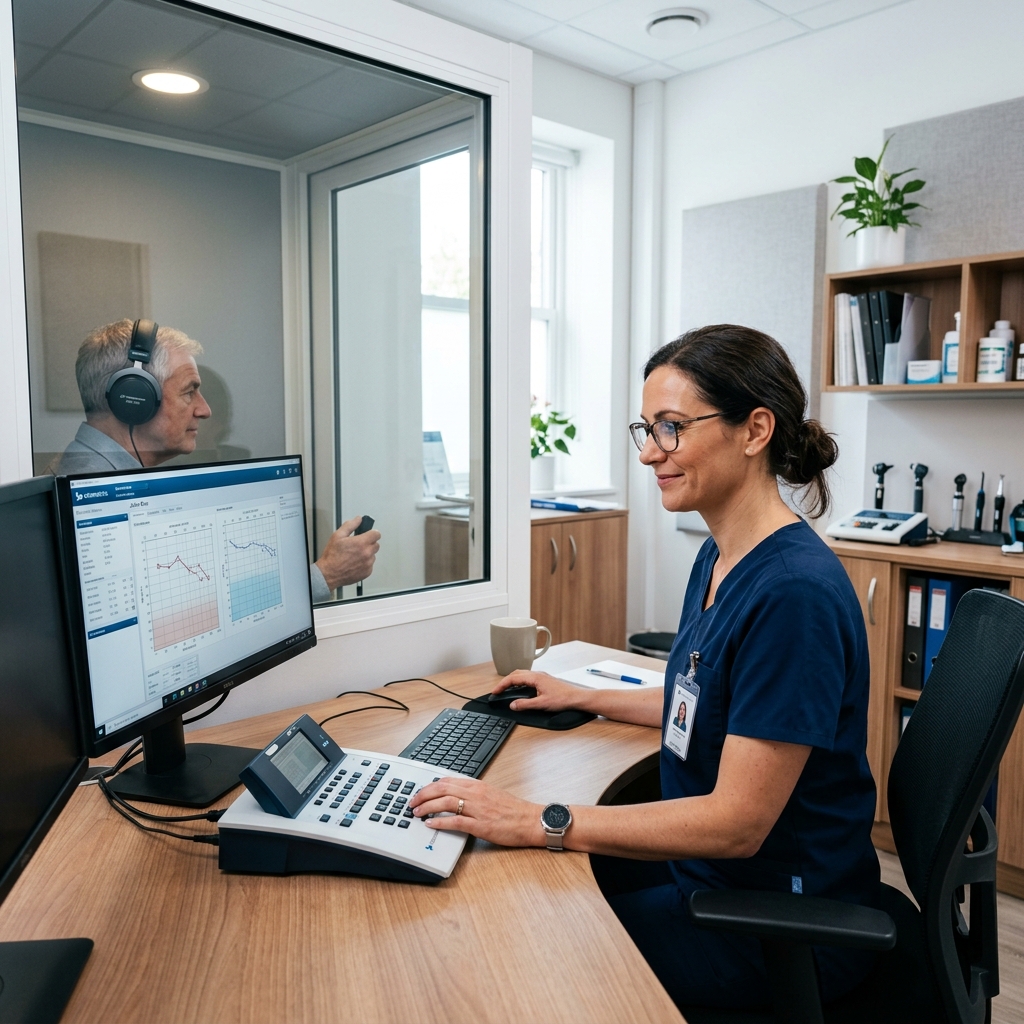
A typical hearing test is painless, non-invasive, and relatively quick. The process usually begins with a comprehensive consultation, during which an audiologist will ask about your medical history, any symptoms you may be experiencing, and your lifestyle. This information helps them understand your specific hearing needs and potential risk factors.
Next, the audiologist will perform an otoscopic examination, looking inside your ears with a special instrument called an otoscope. This allows them to check for any physical blockages, such as earwax buildup, or signs of infection that could be affecting your hearing.
The core of the hearing test involves pure-tone audiometry. You will sit in a soundproof booth and wear headphones. The audiologist will play a series of tones at different frequencies (pitches) and volumes. You will be asked to indicate when you hear a tone, usually by pressing a button or raising your hand. This helps determine the softest sounds you can hear at each frequency, creating a graph called an audiogram.
In addition to pure-tone audiometry, the audiologist may also conduct speech testing. This involves listening to and repeating words at various volume levels, both in a quiet environment and with background noise. Speech testing helps evaluate how well you can understand speech in real-world situations.
The Power of Early Intervention
The key takeaway is that early intervention is crucial. When hearing loss is detected early, there are often more treatment options available, and the outcomes are generally better. Hearing aids are the most common and effective treatment for sensorineural hearing loss. Modern hearing aids are highly sophisticated devices that can be customized to your specific hearing needs. They can amplify sounds, reduce background noise, and even connect wirelessly to your smartphone or TV.
By addressing hearing loss early with appropriate interventions, you can prevent many of the negative consequences associated with untreated hearing loss. You can maintain your social connections, protect your cognitive health, and continue to engage fully in the activities you love.
Taking the Next Step
If you haven't had a hearing test recently, now is the time to schedule one. Don't wait until you notice a significant problem. Proactive hearing care is an investment in your overall well-being. Contact Sanskara Hearing today to schedule a comprehensive evaluation with one of our experienced audiologists. We are committed to providing personalized care and helping you achieve optimal hearing health.
Remember, your hearing is precious. Take the necessary steps to protect it and ensure that you can continue to enjoy the symphony of sounds that life has to offer.