



- Hearing Conditions
- 30 Sep 2026
Demystifying Tinnitus: A Comprehensive Guide to Causes, Symptoms, and Management
Tinnitus is a prevalent and often perplexing condition that affects millions of people worldwide. It is characterized by the perception of sound in the ears or head when no external sound source is present. This internal noise can manifest in various ways, from a faint ringing or buzzing to a loud roaring or clicking. For some, it is a minor annoyance; for others, it can be a debilitating condition that significantly impacts their quality of life. In this comprehensive guide, we will delve into the complexities of tinnitus, exploring its potential causes, its varied symptoms, and the diverse management strategies available to provide relief.
What Exactly is Tinnitus?
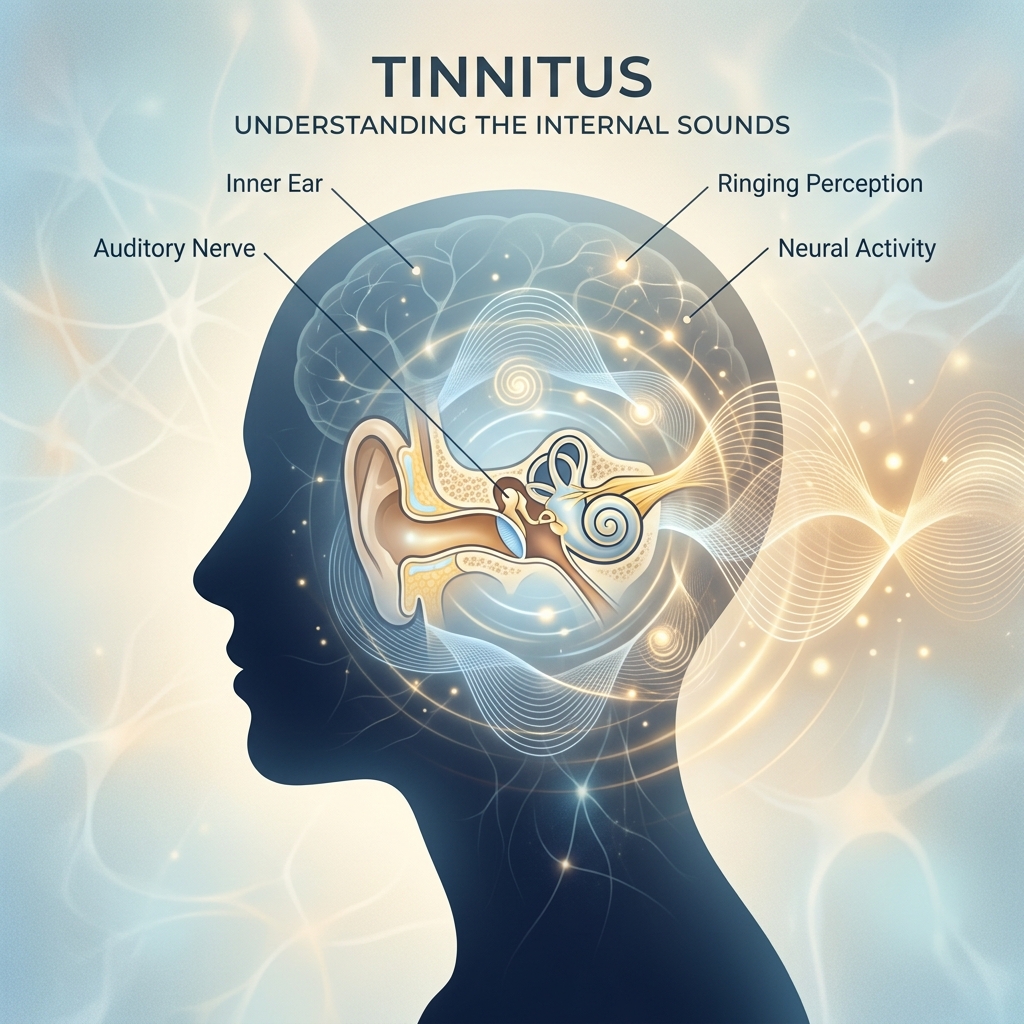
It is important to understand that tinnitus is not a disease in itself, but rather a symptom of an underlying condition. It is the auditory system's way of signaling that something is not functioning correctly. The auditory system is a complex network that includes the outer ear, middle ear, inner ear (cochlea), auditory nerve, and the auditory processing centers in the brain.
Tinnitus can be broadly classified into two categories: subjective and objective. Subjective tinnitus, which accounts for the vast majority of cases, is sound that only the individual experiencing it can hear. It is often linked to problems in the outer, middle, or inner ear, or issues with the auditory nerves or the brain regions that interpret sound. Objective tinnitus is rare and involves sound that can actually be heard by a doctor during an examination. This type is usually caused by a physical problem, such as a blood vessel issue, a middle ear bone condition, or muscle contractions.
The Varied Symphony of Tinnitus Symptoms
The experience of tinnitus is highly subjective and varies greatly from person to person. The sounds perceived can take many forms, including:
- Ringing
- Buzzing
- Roaring
- Clicking
- Hissing
- Humming
The pitch of the sound can range from a low roar to a high squeal, and it may be heard in one or both ears. In some cases, the sound can be so loud that it interferes with a person's ability to concentrate or hear external sounds. Tinnitus can be constant, or it may come and go. The perceived volume can also fluctuate, often seeming louder in quiet environments or during times of stress.
Unraveling the Causes of Tinnitus
Because tinnitus is a symptom of an underlying issue, identifying the root cause can sometimes be challenging. However, several common factors are known to trigger or exacerbate the condition:
Hearing Loss
The most common cause of subjective tinnitus is hearing loss, particularly age-related hearing loss (presbycusis) and noise-induced hearing loss. When the delicate hair cells in the cochlea are damaged, they can send spontaneous, erratic electrical signals to the brain, which the brain interprets as sound. In this context, tinnitus can be thought of as the brain's attempt to fill in the missing auditory information.
Noise Exposure
Exposure to loud noises is a major culprit in both hearing loss and tinnitus. This includes brief exposure to extremely loud sounds, such as an explosion or a gunshot, as well as prolonged exposure to moderately loud sounds, such as heavy machinery, power tools, or loud music. Occupational noise exposure is a significant risk factor, which is why hearing protection is crucial in many industries.
Earwax Blockage
A buildup of earwax (cerumen) in the ear canal can cause a physical blockage, leading to temporary hearing loss and irritation of the eardrum. This irritation can sometimes trigger tinnitus. Fortunately, this is usually easily resolved by having a healthcare professional safely remove the excess wax.
Medications
A wide range of medications can cause or worsen tinnitus, a phenomenon known as ototoxicity. The risk generally increases with the dosage. Common ototoxic medications include certain antibiotics, cancer medications, water pills (diuretics), antimalarial drugs, and surprisingly, even high doses of aspirin.
Other Medical Conditions
Several other health conditions can contribute to tinnitus, including:
- Meniere's disease: An inner ear disorder that causes vertigo, hearing loss, and tinnitus.
- Temporomandibular joint (TMJ) disorders: Problems with the joint connecting the jaw to the skull.
- Head or neck injuries: Trauma to the head or neck can affect the inner ear, hearing nerves, or brain function linked to hearing.
- Cardiovascular disease: Conditions affecting blood flow, such as high blood pressure or atherosclerosis.
Management and Treatment Strategies
While there is currently no scientifically proven 'cure' for most types of chronic subjective tinnitus, there are numerous effective management strategies that can significantly reduce the perceived volume of the sound and minimize its impact on daily life.
Treating the Underlying Cause
The first step in managing tinnitus is a thorough medical evaluation to identify any treatable underlying conditions. If the tinnitus is caused by an earwax blockage, removing the wax can resolve the issue. If a medication is the culprit, your doctor may suggest adjusting the dosage or switching to an alternative drug. If an underlying health condition like high blood pressure or a TMJ disorder is identified, treating that condition may also alleviate the tinnitus.
Sound Therapy
Sound therapy is a common and effective approach to managing tinnitus. The principle behind sound therapy is to introduce external sounds to mask or distract the brain from the internal tinnitus sound. This can involve the use of tabletop sound generators, wearable masking devices that resemble hearing aids, or even simply playing a radio or a fan. The goal is not necessarily to drown out the tinnitus completely, but rather to make it less prominent and less bothersome.
Hearing Aids
If tinnitus is accompanied by hearing loss, hearing aids can be a highly effective treatment. By amplifying external sounds, hearing aids can make the tinnitus less noticeable. The increased auditory stimulation can also help the brain recalibrate and process sound more effectively. Many modern hearing aids also come with built-in tinnitus masking features, allowing you to stream soothing sounds directly into your ears.
Cognitive Behavioral Therapy (CBT)
CBT is a form of counseling that can be very beneficial for individuals who are struggling with the emotional distress and anxiety that often accompany severe tinnitus. CBT helps you identify and change negative thought patterns and behaviors related to your tinnitus. It teaches you coping mechanisms to reduce the stress and frustration associated with the condition, helping you habituate to the sound so that it no longer dominates your attention.
Seeking Professional Help
If you are experiencing tinnitus, it is essential to consult with a healthcare professional, preferably an audiologist or an ear, nose, and throat (ENT) specialist. They can conduct a comprehensive evaluation to determine the cause of your tinnitus and recommend the most appropriate management plan for your specific needs.
At Sanskara Hearing, we understand the challenges that tinnitus can present. Our team is dedicated to providing compassionate care and offering a range of effective treatment options to help you find relief and regain control over your auditory experience.